
Quite a Few Euros Later
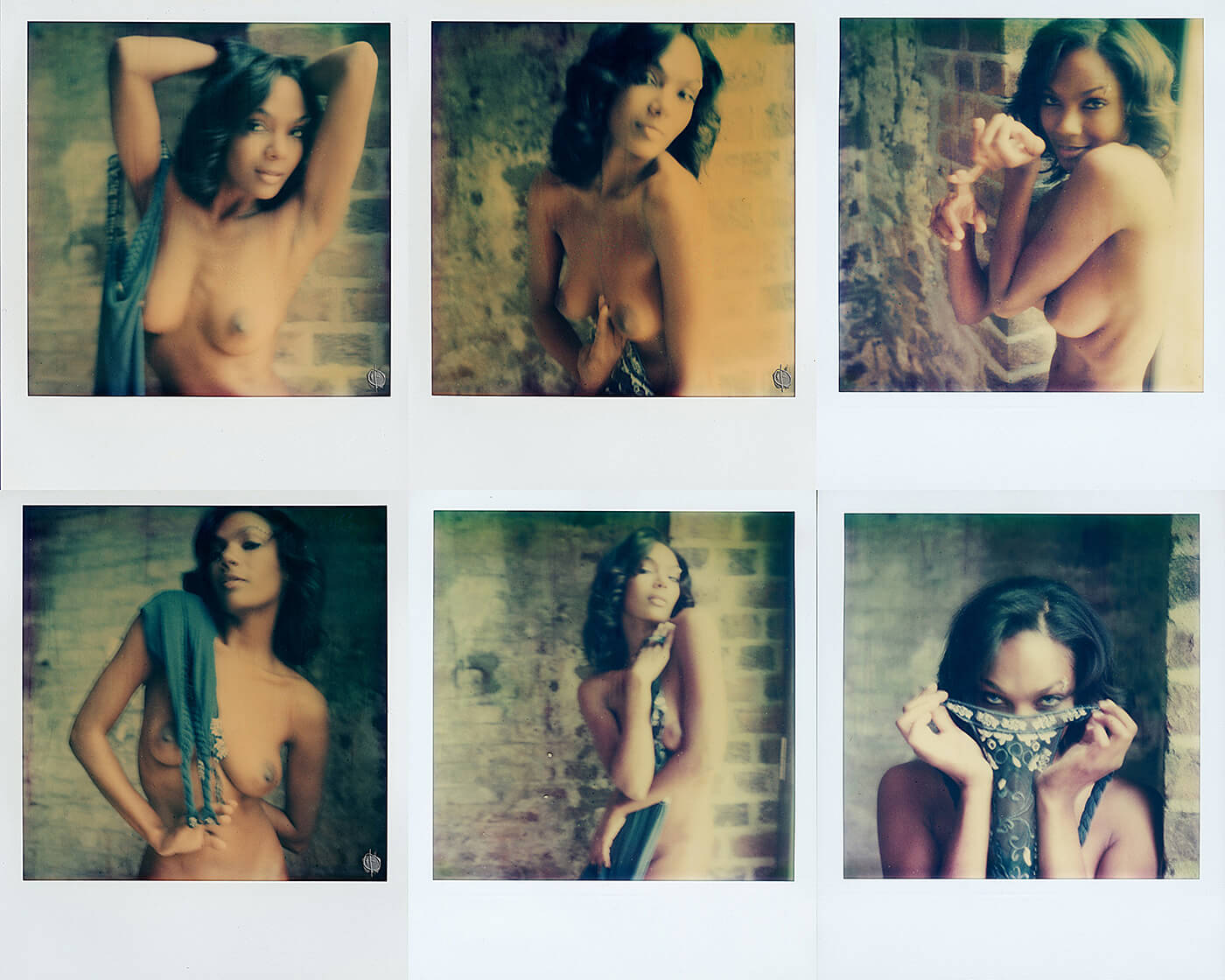
I loved working with Polaroid film, the original kind, the stuff that felt like it had a pulse.
For a while I had an entire little fleet of it in different shapes and sizes, 600, TZ, Land pack film, 4×5 Type 55. I poured quite a few euros into that stash. Still, I told myself it was cheaper than a Modelleisenbahn, and I’ve stuck to that story because it’s easier that way.
Some of the packs were ridiculous, more than fifteen years past the date stamped on the box. And yet, most of them still came through. Every time I tore one open, it was a gamble, you got to find out what it had left in it, if anything, and I liked not knowing. One sheet would come out almost pristine, another would arrive with scuffs, a cloudy patch, a colour shift that nudged the whole picture into unfamiliar territory.
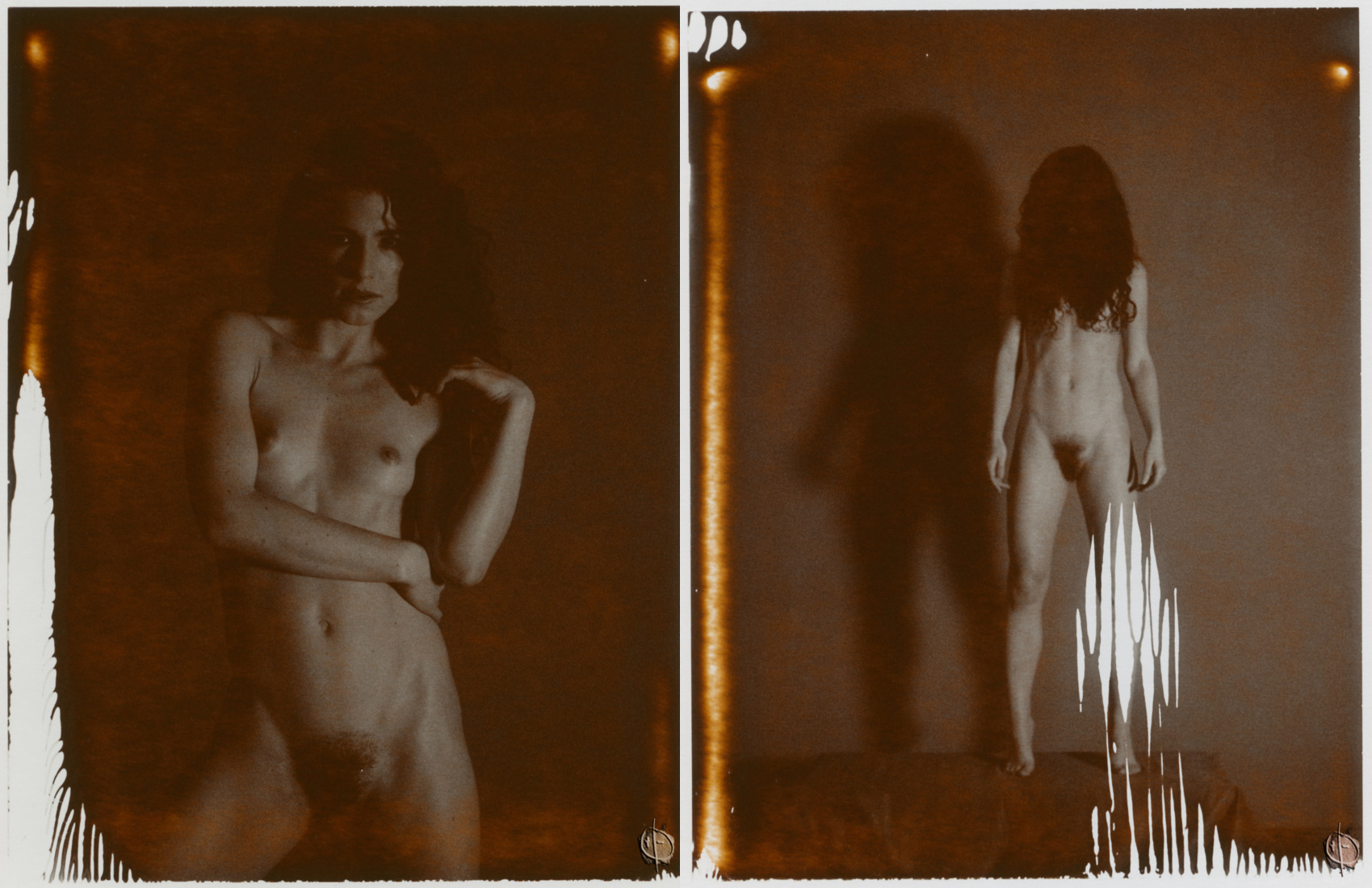
Half the time, those “flaws” felt like gifts. A colour I’d never have picked showed up anyway and suddenly it belonged. A strange artefact would slice through a smooth area and, somehow, the image looked more itself because of it. When it worked, it didn’t just work, it carried the stamp of that exact exposure, that single sheet, that aging pack I’d taken a chance on.
And yes, sometimes it just failed. There was always the option of expensive disappointment.
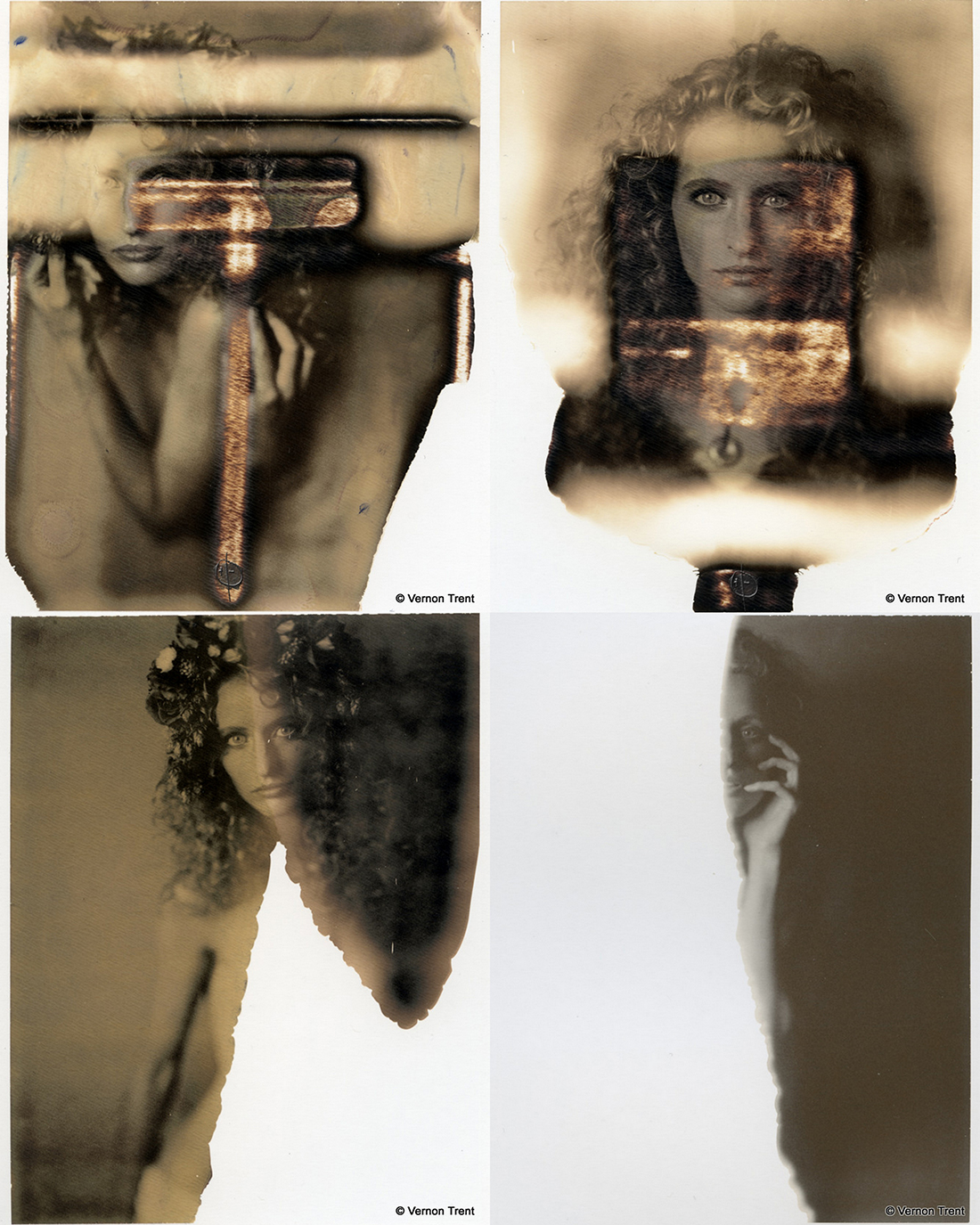
Still I went back, again and again.
When I look at those photographs now, the pleasure comes back, and with it a sharper little ache. Some modern polaroid films today try to brush against that same mood, that aura, but the feeling isn’t the same. It’s not only about colour, it’s harder than that. There was a softness to it, a particular way light and skin landed, and always that sense that the film might decide to add something of its own.
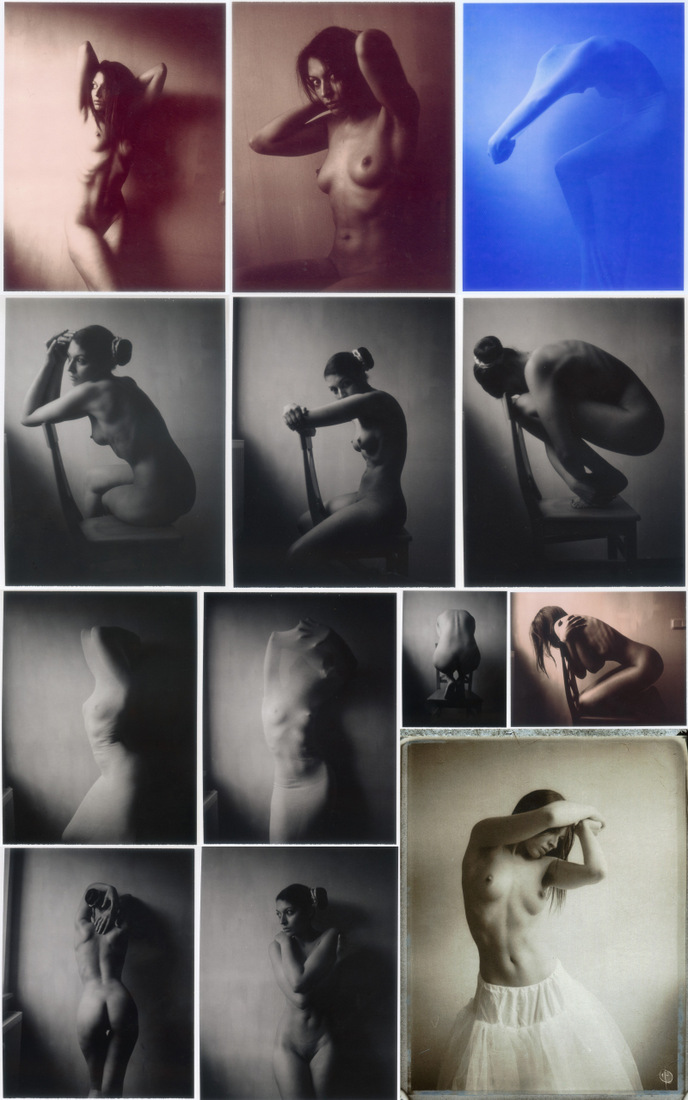
I could work with that. I liked watching it happen.
Even the peel-apart leftovers sometimes earned their place in the archive. Some films that didn’t provide a usable negative still left an image on the sheet I peeled away. I kept those sheets, scanned them and used them to make digital negatives. Some had more tension and mood than the photograph I was supposed to keep.
After spending all those euros on film, it was reassuring to discover that even the leftovers could pull their weight.
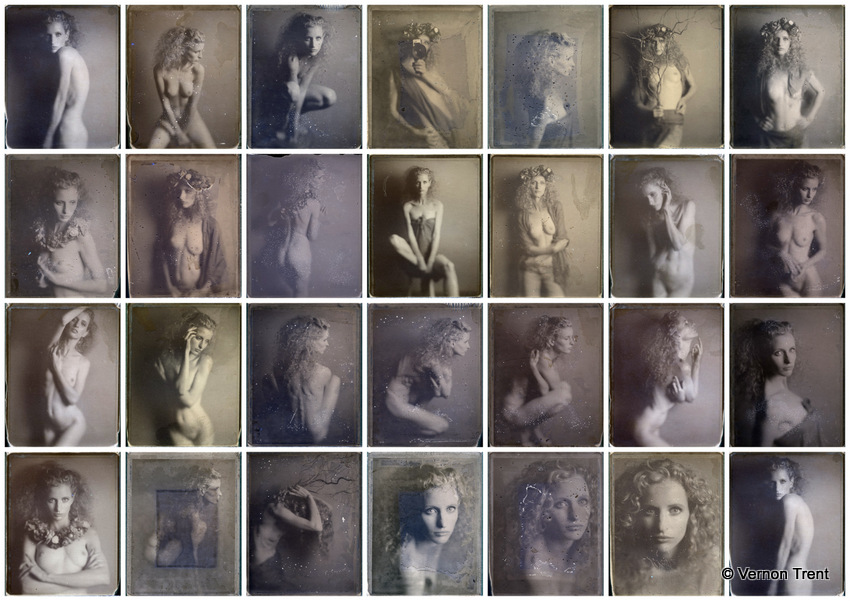
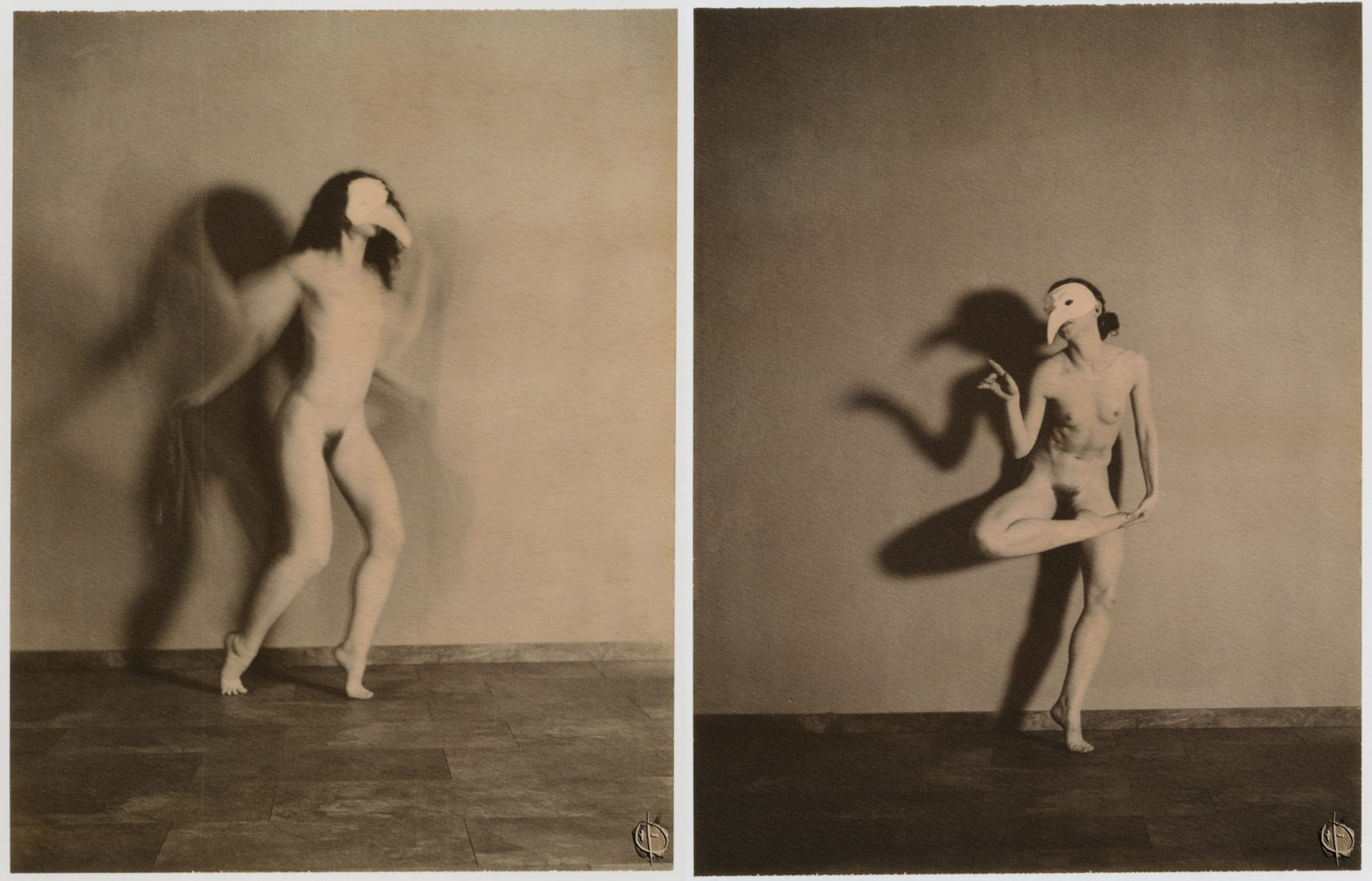
The 4×5 format was the one I loved most, especially when it handed me a negative along with the instant print. That extra sheet, it felt like a door opening. I could print from it again later, or scan it and keep pushing, right up to a digital negative around 40×50 centimetres.
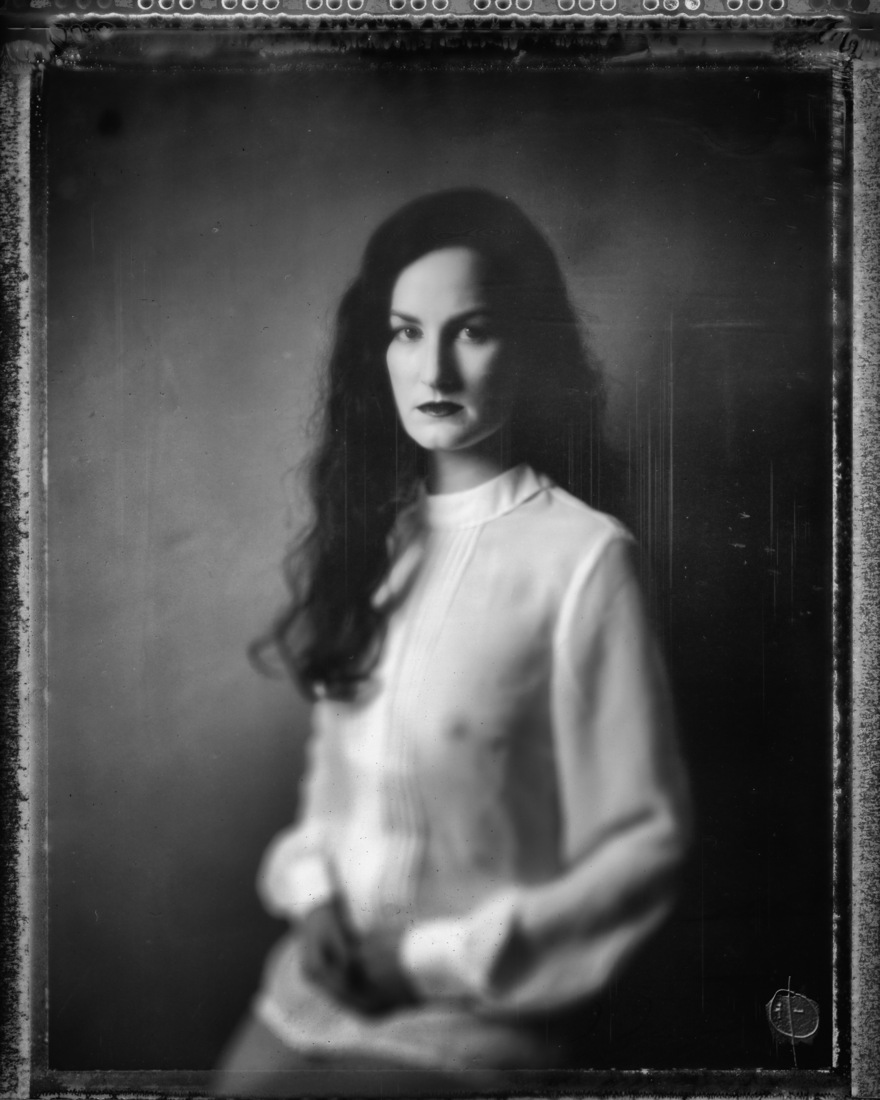
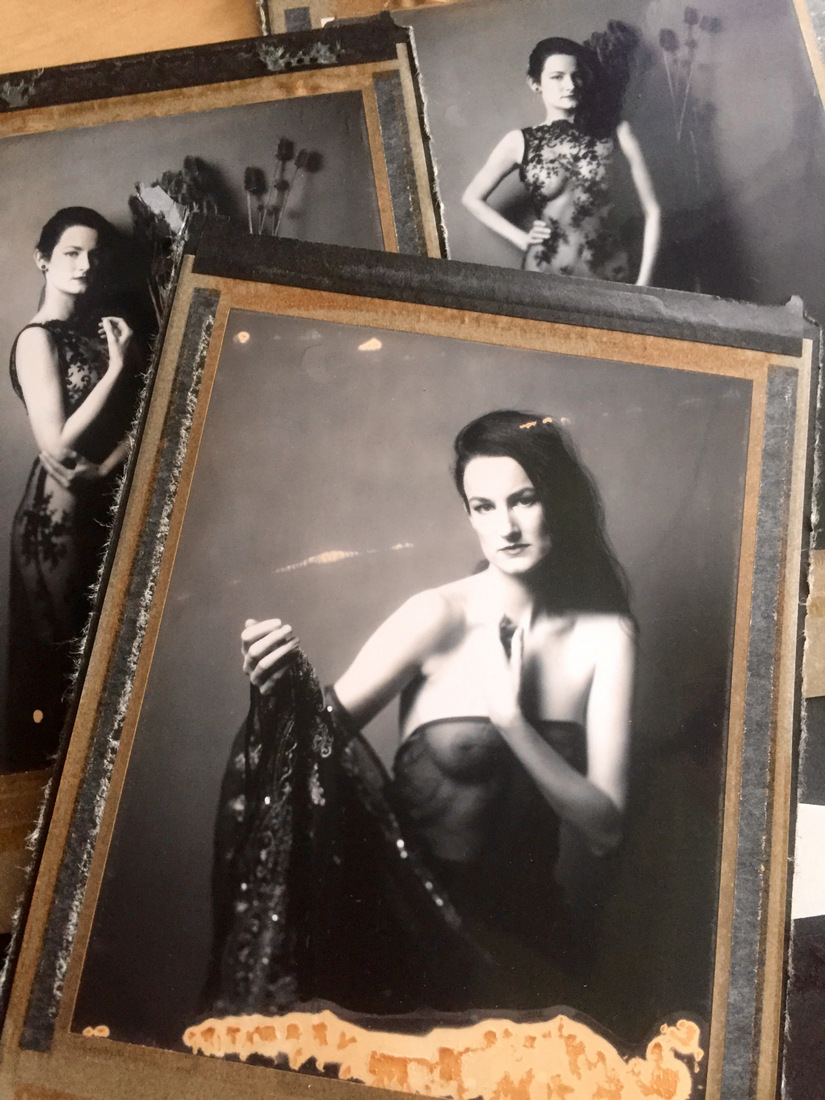
The small picture could grow into something much bigger and still keep its softness, keep its marks. A tiny trace that barely registered in the original would start speaking louder at that scale. I wanted those qualities to travel with the image, not to get cleaned away, because they were part of what pulled me in to begin with.
And the negative itself was something I could actually build on.
For the portrait with wings, I added another layer using transparent paper. I made a sandwich of it, wings and negative pressed together. Simple enough as an idea, but it gave me another way forward, working with what was physically there, stacking pieces, adjusting them, seeing how they settled into a single image.
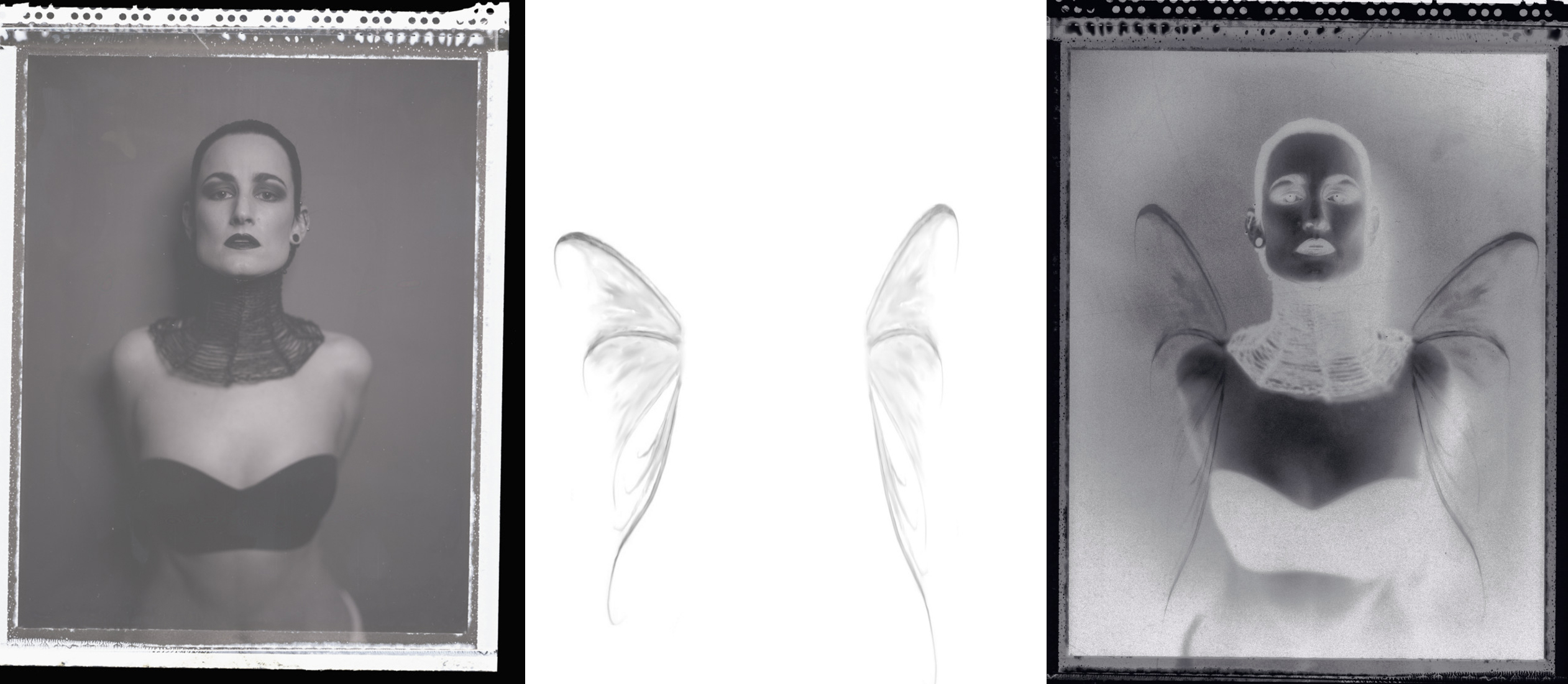
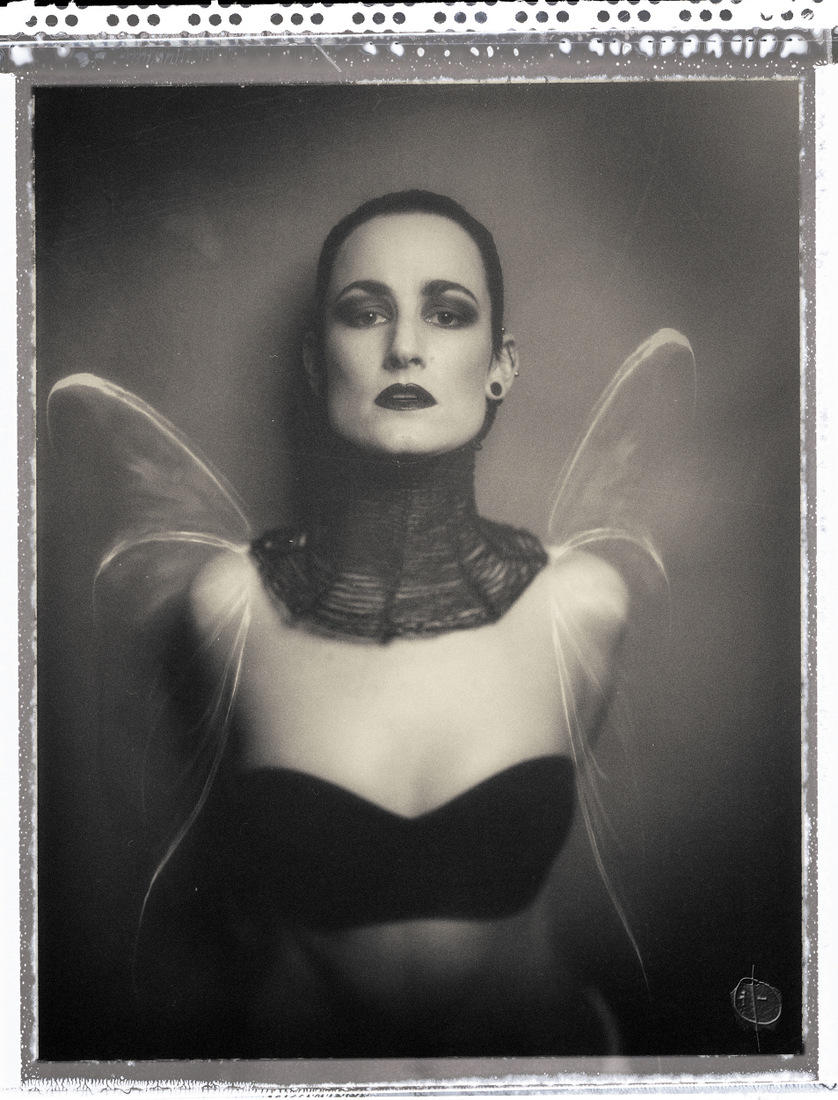
That kind of freedom was a huge part of the draw. There were different moments where you could choose to keep going, and more than one route for doing it.
With 600 film, I got a lot of joy out of lifting the emulsion and moving it onto paper. First you cut away the Polaroid edges, then peel off the protective layer, then into hot water it goes until the image finally lets go of its carrier.
After that came the fiddling.
I’d slide a sheet of paper under the floating skin of the image, coax it across, then use a brush to nudge it into place. It was unbelievably thin, and suddenly everything depended on being gentle. To get it exactly where I wanted it took patience, and a lot of tiny corrections that didn’t look like much until they did.
I had so much fun with it.
Because after the composing and the exposure, there I was making decisions again, only now with wet paper and a brush. The photograph had turned into something I could move around, arrange by hand. It was such a satisfying way to spend time with an image.
I don’t have any of my own transfers anymore. They’ve all been sold, scattered off into other homes. What I do have is one made by a friend, a photograph of me with my atelier camera, transferred with the same method. I’m glad I’ve got it, especially now, when my own examples live somewhere else.
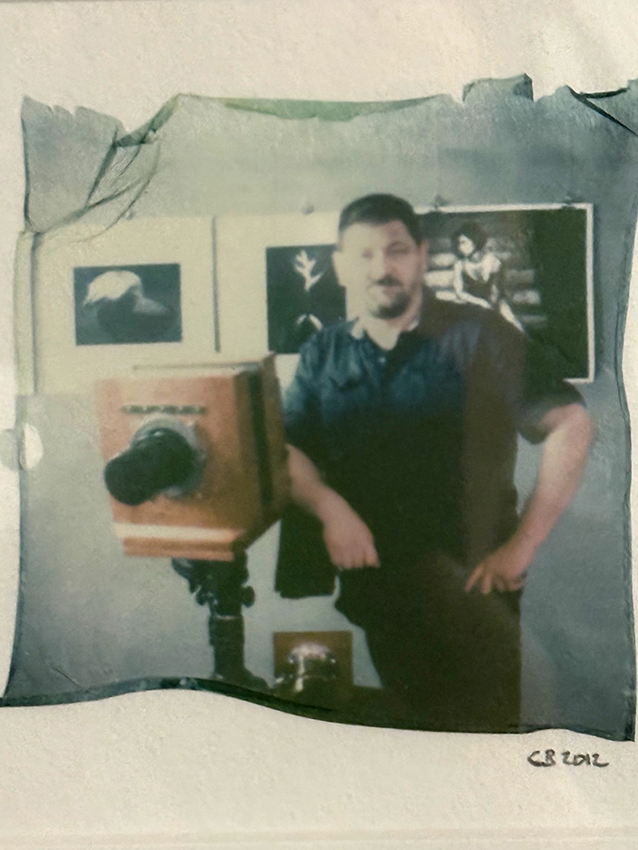
emulsion transfer made by Christian Baron (https://christianbaron.com/)
There was good work in it, and there was real pleasure in getting there.
Those Polaroid years were a small, bright pocket of my working life, special, and wildly entertaining.
When I flip through the photos now, it’s all there again, the old packs, the surprise colours, the awkward little transfers, and that quiet thrill of seeing just how far an image could be pushed.
I poured a fair few euros into it. I had a huge amount of fun, made pieces that ended up hanging in other people’s homes, and walked away with some very good memories.
And still, cheaper than a Modelleisenbahn.
